

Vision
eLTER responds to the challenge of understanding the complex interactions between people and nature over the long term. Environmental sustainability can only be achieved on the basis of the robust knowledge and empirical evidence needed to identify and mitigate human impacts on ecosystems. eLTER catalyzes scientific discovery and insights through its state-of-the-art research infrastructure, collaborative working culture, and transdisciplinary expertise. This enables the development and application of evidence-based solutions for the well-being of current and future generations.

Mission
The mission of eLTER is to facilitate high impact research and catalyse new insights about the compounded impacts of climate change, biodiversity loss, soil degradation, pollution, and unsustainable resource use in terrestrial, freshwater, and transitional water ecosystems.
The pan-European, in-situ research infrastructure will serve multiple scientific communities with high-level central facilities and distributed well-instrumented eLTER Sites. At socio-ecological eLTSER Platforms we combine our socio-ecological approach in studying integrated human-nature systems and our commitment to integrating stakeholder knowledge. Novel data services and products will result from combining harmonized standard observations at the sites with information from a wide range of other sources. These and other services will be accessible to a broad diversity of users from local to continental scales.

Strategic goals
eLTER provides researchers with access to over >500 sites and >50 larger LTSER Platforms across Europe, including Israel, and biogeographical regions, establishing and offering harmonised and standardised data, services and training useful to citizens and experts in their joint efforts to find sustainable solutions to the Grand Societal Challenges.
eLTER Community
We bring together a rich variety of terrestrial, forest, grassland, desert, tundra, freshwater, coastal and urban ecosystems, fully equipped with scientific tools for conducting novel research or years worth of data for utilizing the past for a more holistic approach.
Find out more ILTER
26
National site networks
500
LTER sites
50
LTSER platforms
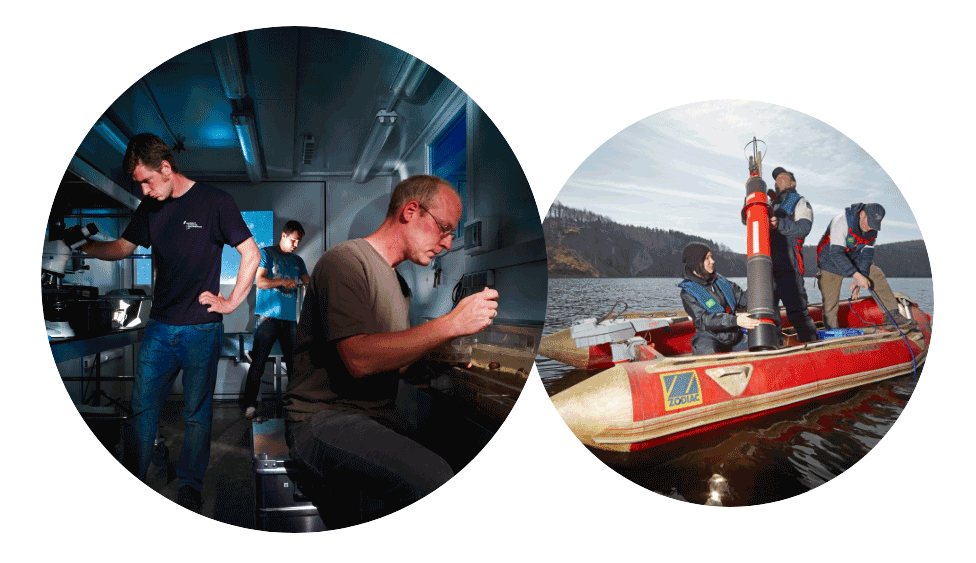
Building the future eLTER Research Infrastructure
A world-class pan-European research infrastructure serving the wide range of scientific disciplines that is in possession of the flexibility, experience and knowledge to respond to existing and emerging environmental challenges.
eLTER RI
Current eLTER Projects & Tasks

The eLTER Preparatory Phase Project is aimed at taking high level decisions about, and specifying in detail, key components of eLTER RI, such that eLTER RI reaches the legal, financial and technical maturity required for its implementation. eLTER PPP will prepare the ground for the binding commitments necessary for constructing and operating the eLTER RI. It will coordinate the decision making processes towards eLTER RI implementation as a legal entity (ERIC framework) at the European and related national levels (eLTER ESFRI process). eLTER PPP will closely interact with eLTER PLUS to secure the highest relevance of eLTER RI services for the related research communities and other eLTER RI user groups.
eLTER PPP

eLTER PLUS is built on three main pillars: networking, joint research activities and transnational, remote and virtual access. The project will conduct a performance test of the emerging eLTER RI while challenging, assessing and strengthening its operations. Selected sites and platforms in terrestrial, freshwater and coastal ecosystems will be used to study ecosystem integrity, impacts of climate change and endangered ecosystem services at a pan-European scale. eLTER PLUS will also identify and assess innovative observational and analytical methods, elaborate detailed specifications of eLTER RI according to community needs (standard observations, site design), support community building and training, and pilot priority services (IT and other support).
eLTER PLUS
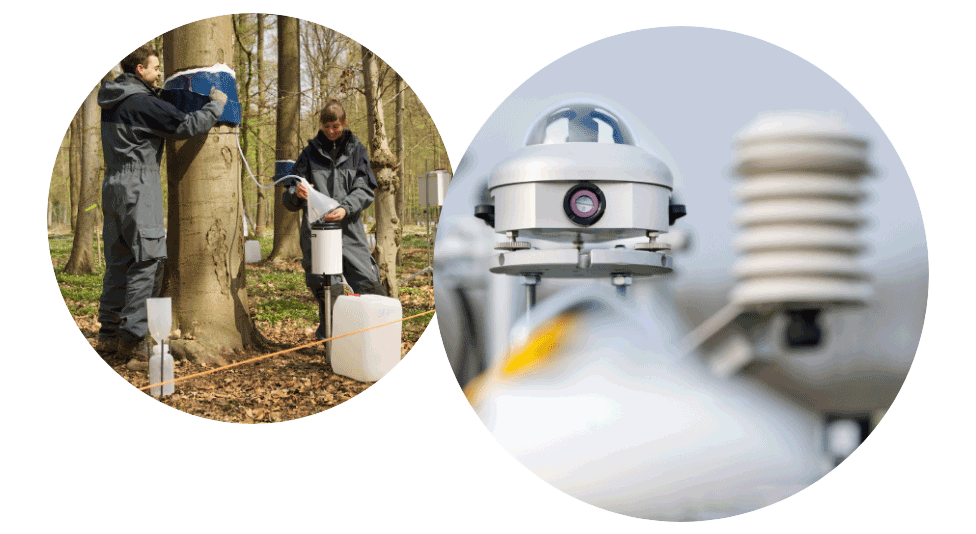
Service portfolio
eLTER fields a variety of handful tools and services that could be of use to researchers, students and policymakers such as the Dynamic Ecological Information System (DEIMS) that provides information from 1211 sites worldwide; the eLTER Information System on data analysis and forecasting; the Data Integration Portal for dynamic near real time data; the Common controlled vocabulary for keyword tagging and discovery.
Read more